Cabinet Refinishing Sacramento project can completely transform the appearance of a kitchen, bathroom, or storage space without the cost of a full replacement. Freshly refinished cabinets often make a room feel cleaner, brighter, and more modern while helping homeowners extend the life of existing cabinetry. However, cabinet refinishing also requires patience, preparation, and attention to detail.
Many people begin the project expecting quick results, only to discover that small mistakes can lead to peeling paint, uneven finishes, or long term damage. Understanding the most common mistakes in cabinet refinishing helps homeowners achieve smoother results and avoid costly corrections later.
Skipping Proper Cleaning Before Refinishing
One of the biggest mistakes in cabinet refinishing is failing to clean the surfaces thoroughly before starting the project. Kitchen cabinets especially collect years of grease, cooking residue, fingerprints, dust, and oils that may not always be visible at first glance. Painting or staining directly over these contaminants prevents proper adhesion and often causes peeling or bubbling later.
Even high quality paint and primer cannot bond effectively to dirty surfaces. Many homeowners lightly wipe cabinets with water and assume they are ready for sanding or painting, but grease buildup requires stronger cleaning solutions specifically designed to remove oils and residue.
Proper cleaning should include all cabinet doors, frames, edges, handles, and corners where buildup often hides. Taking the time to clean carefully creates a stronger foundation for every step that follows and significantly improves the durability of the finish.
Not Removing Cabinet Doors and Hardware
Another common mistake is trying to refinish cabinets without removing the doors, hinges, and hardware first. Some people attempt to save time by painting around handles or leaving doors attached to the cabinet frames. Unfortunately, this usually results in uneven finishes, visible brush marks, and missed areas.
Removing cabinet doors allows for better access to all surfaces and creates a smoother, more professional appearance. Hardware such as knobs and hinges should also be removed to prevent paint buildup and ensure cleaner lines around the edges.
Keeping hardware attached during refinishing often leads to chipped paint and sticking hinges later. Labeling doors and hardware before removal helps simplify reinstallation and ensures everything returns to its original location once the project is complete.
Proper preparation may take additional time in the beginning, but it greatly improves the quality and consistency of the final result.
Ignoring the Importance of Sanding
Sanding is one of the most important steps in cabinet refinishing, yet many homeowners either skip it completely or rush through it too quickly. Sanding helps remove glossy finishes and creates a textured surface that allows primer and paint to bond properly.
Without sanding, new coatings may struggle to adhere and eventually begin peeling or chipping. Even cabinets that appear smooth and clean usually require some level of surface preparation before refinishing.
Over sanding can also create problems. Using overly aggressive sandpaper may leave deep scratches or damage wood surfaces unnecessarily. Uneven sanding may result in visible texture inconsistencies after painting or staining.
The goal is to create a smooth and slightly roughened surface that improves adhesion without damaging the cabinet material. Careful sanding contributes greatly to a more durable and professional looking finish.
Using the Wrong Primer
Many cabinet refinishing problems begin with choosing the wrong primer or skipping primer entirely. Cabinets experience heavy daily use and are exposed to moisture, grease, and frequent touching. Because of this, they require strong adhesion and durable coatings.
Standard wall primers are often not suitable for cabinet refinishing projects. Cabinets typically need bonding primers specifically designed for glossy surfaces, wood finishes, or laminate materials. Without the proper primer, paint may chip, peel, or wear unevenly over time.
Primer also helps block stains and wood tannins from bleeding through the final coat. This is especially important for darker wood cabinets being painted lighter colors.
Applying primer evenly and allowing it to cure properly creates a stable foundation that improves both appearance and long term durability.
Applying Paint Too Thickly
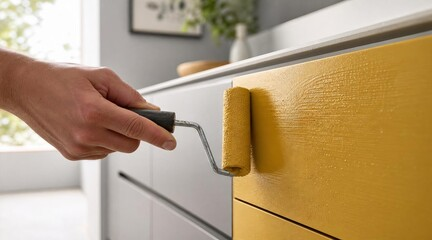
One of the most noticeable refinishing mistakes is applying paint in heavy coats. Many people believe thicker paint coverage will save time and reduce the number of coats needed. In reality, overly thick paint often leads to drips, streaks, uneven texture, and longer drying times.
Cabinet paint should be applied in thin and controlled layers to create a smooth and durable finish. Thick paint layers may also dry unevenly, leaving soft areas vulnerable to scratches and peeling.
Using the correct painting tools also affects the final appearance. Poor quality brushes and rollers may leave visible marks and inconsistent texture across cabinet surfaces. Spray applications often produce the smoothest finish, but careful brushing and rolling can also provide excellent results when done correctly.
Allowing each coat to dry fully before applying another layer is equally important for achieving a professional finish.
Rushing the Drying and Curing Process
One of the most common mistakes in cabinet refinishing is rushing through drying and curing times. Freshly painted cabinets may appear dry on the surface within hours, but full curing often takes much longer depending on the paint type and environmental conditions.
Reinstalling cabinet doors too early may cause sticking, fingerprints, dents, or peeling around hinges and edges. Heavy use before the finish has cured completely can permanently damage the surface and reduce durability.
Humidity and poor ventilation may also slow the drying process significantly. Proper airflow and controlled temperatures help coatings cure more evenly and improve the strength of the final finish.
Patience during this stage is critical. Allowing adequate curing time helps ensure cabinets remain smooth, durable, and resistant to wear over the long term.
Failing to Label Doors and Components
Cabinet refinishing projects often involve removing dozens of doors, hinges, and hardware pieces. A common mistake is failing to label these components during disassembly. While many cabinets may appear identical, slight variations in size and hinge placement can create confusion during reinstallation.
Without proper labeling, homeowners may struggle to match doors correctly or reinstall hardware evenly. Misaligned doors and uneven spacing can affect both appearance and functionality.
Using simple labels or numbered tape helps organize the process and saves time later. Keeping hardware grouped with its matching door also prevents missing screws or mismatched hinge placement.
Organization may seem like a minor detail at the start of the project, but it greatly improves efficiency and reduces frustration during reassembly.
Choosing the Wrong Paint Finish
Paint finish selection plays a major role in both appearance and durability. Some homeowners choose flat or low quality finishes because they prefer the color or texture, but these finishes often perform poorly on cabinets exposed to moisture and heavy use.
Cabinets require durable finishes that resist stains, scratches, and frequent cleaning. Satin, semi gloss, and specialized cabinet paints are often preferred because they provide smoother surfaces that are easier to maintain.
Extremely glossy finishes may highlight imperfections such as brush strokes or uneven sanding marks. Matte finishes, on the other hand, may absorb stains and become difficult to clean over time.
Choosing the right paint finish helps balance durability, appearance, and ease of maintenance for long lasting results.
Ignoring Environmental Conditions
Temperature and humidity can greatly affect cabinet refinishing results, yet many people overlook these environmental factors. Painting in extremely humid conditions may slow drying times and create uneven finishes. Excess moisture in the air can also interfere with paint adhesion and curing.
Cold temperatures may thicken paint and prevent smooth application. Extremely hot conditions can cause paint to dry too quickly, leaving visible streaks or brush marks before the surface levels properly.
Proper ventilation is equally important during refinishing. Good airflow helps remove fumes and supports even drying throughout the project. Working in stable environmental conditions helps ensure smoother finishes and stronger long term performance.
Planning the refinishing project around favorable weather and indoor conditions often leads to significantly better results.
Overlooking Cabinet Repairs Before Refinishing
Some homeowners focus entirely on painting or staining while ignoring existing cabinet damage. Loose hinges, cracked wood, water damage, and worn edges should be repaired before refinishing begins.
Painting over damaged surfaces may temporarily hide imperfections, but the problems usually return quickly and affect the overall durability of the cabinets. Structural repairs and surface patching create a stronger foundation for the refinishing process.
Damaged hardware should also be replaced if necessary. Refinishing cabinets while leaving loose hinges or broken handles often reduces the quality and functionality of the final result.
Addressing repairs early helps ensure the cabinets look and function properly long after the refinishing project is completed.
Conclusion
Cabinet refinishing can dramatically improve the appearance of kitchens, bathrooms, and storage spaces when completed correctly. However, common mistakes such as poor cleaning, skipping sanding, rushing drying times, and using improper materials often lead to disappointing results and reduced durability.
Understanding the cabinet refinishing process and taking time to prepare properly helps homeowners achieve smoother finishes and longer lasting performance. Attention to detail during cleaning, sanding, priming, painting, and curing plays a major role in the final appearance of the cabinets.
By avoiding these common refinishing mistakes, homeowners can create cabinets that look refreshed, modern, and professionally finished without the cost of full replacement. Careful preparation and patience ultimately make the difference between a short lived improvement and a beautiful long term transformation.