Creating healthier, greener outdoor spaces begins with thoughtful planning, expert design, and consistent landscape maintenance. A well-designed landscape not only boosts curb appeal but also supports environmental health, enhances daily living, and increases long-term property value. Professional landscape design and maintenance services provide homeowners and property managers with the tools and knowledge needed to create thriving, sustainable environments that look beautiful year-round. With the right combination of creativity, technical skill, and horticultural expertise, outdoor areas can be transformed into vibrant, functional, and environmentally friendly spaces that benefit both people and nature. Visit Website to choose the right design for you.
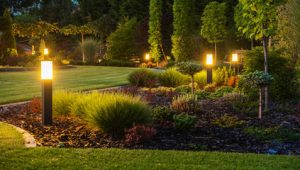
Expert landscape design goes far beyond simply arranging plants or installing decorative elements. It begins with a thorough evaluation of the property’s terrain, soil quality, drainage patterns, sunlight exposure, and existing vegetation. These factors determine which plants will thrive, how water should be managed, and which design elements will best suit the space. Landscape professionals create detailed plans that integrate structural features, plant selections, and functional zones, ensuring that every part of the outdoor area works together harmoniously. This level of precision results in a landscape that is not only visually appealing but also healthy, sustainable, and easy to maintain.
One of the most essential aspects of expert landscape design is plant selection. Choosing the right plants for the environment greatly influences the long-term success of the landscape. Professionals understand which species adapt well to specific soil types, climates, and moisture levels. They evaluate root structures, growth habits, sun requirements, and seasonal characteristics to ensure that every plant contributes to a balanced and thriving ecosystem. Thoughtful plant selection prevents overcrowding, reduces maintenance needs, and encourages biodiversity. This strategic approach ensures that landscapes remain lush, dynamic, and resilient throughout the year.
Beyond plant selection, the placement of each element within a landscape is crucial in creating both visual symmetry and functional flow. Professionals consider height variations, color coordination, and bloom cycles to design gardens that remain attractive across different seasons. They use symmetry and contrast to highlight focal points, guide movement, and create natural transitions between areas. Whether designing a serene garden bed, a shaded seating area, or a vibrant walkway lined with shrubs, expert landscape designers create outdoor spaces that feel balanced, welcoming, and purposeful.
Hardscaping is another important component of expert landscape design. Elements such as patios, retaining walls, pathways, pergolas, and water features add structure and function to a landscape. These features define gathering spaces, support elevation changes, and provide durable surfaces for walking or entertaining. Skilled professionals use high-quality materials and proper installation techniques to ensure long-lasting durability. Hardscape features complement softscape elements, creating a cohesive and visually appealing landscape that enhances outdoor living while requiring minimal upkeep.
Sustainability is at the core of modern landscape design. Today’s property owners are increasingly interested in eco-friendly solutions that conserve water, reduce chemical use, and promote environmental well-being. Expert landscape designers incorporate sustainable practices such as xeriscaping, native plant landscaping, rainwater harvesting, and efficient irrigation systems. These techniques reduce water consumption, support local ecosystems, and lower maintenance costs. By designing landscapes that work with nature rather than against it, professionals create greener spaces that remain vibrant and resilient over time.
Once a landscape design is complete, ongoing maintenance plays a critical role in preserving its health and beauty. Professional landscape maintenance ensures that plants receive the care they need to grow strong, vibrant, and disease-resistant. Maintenance teams handle everything from pruning and fertilization to weed control, lawn care, and soil conditioning. Regular upkeep prevents problems such as overgrowth, pest infestations, nutrient deficiencies, and soil erosion, keeping the landscape looking fresh and well-managed throughout each season.
Proper lawn care is a major component of landscape maintenance. A lush, green lawn adds visual appeal and provides a soft, inviting surface for outdoor activities. Expert maintenance services include mowing, edging, aeration, overseeding, fertilization, and weed control. These tasks support healthy root growth, improve soil quality, and promote consistent color and texture. When performed by professionals, lawn care not only enhances the appearance of the property but also contributes to improved overall plant health.
Pruning and trimming are also essential for maintaining healthy plants and trees. Proper pruning techniques encourage growth, improve air circulation, and enhance the natural shape of shrubs and trees. Removing dead or damaged branches prevents diseases from spreading and ensures that plants receive enough sunlight. Expert landscapers understand the best times to prune different species and use precise methods that support long-term plant health rather than causing harm. Well-maintained trees and shrubs contribute significantly to the beauty and structure of an outdoor area.
Fertilization and soil management are key elements in maintaining greener, healthier landscapes. Professional landscapers assess soil composition to determine which nutrients are needed to support plant growth. They use fertilizers that enhance soil fertility without causing chemical imbalance or harming beneficial microorganisms. Soil aeration improves water absorption, reduces compaction, and allows oxygen to reach plant roots. These practices create an environment where plants can grow stronger and more resilient, contributing to a vibrant and sustainable landscape.
Irrigation management is another major component of landscape maintenance. An efficient irrigation system ensures that plants receive the right amount of water without waste. Professionals inspect irrigation lines, adjust sprinkler heads, and program schedules to match seasonal water needs. They may recommend drip irrigation systems to deliver water directly to plant roots, reducing evaporation and promoting healthier growth. Proper irrigation not only preserves water but also prevents issues such as overwatering, which can lead to root rot or fungus.
Mulching is an effective maintenance technique that supports plant health and enhances the overall appearance of the landscape. Applying mulch around garden beds and trees helps retain soil moisture, regulate temperature, and suppress weed growth. Mulch also enriches the soil as it breaks down, providing natural nutrients that support plant growth. When applied by professionals, mulch creates clean, defined borders and adds a polished look to the landscape.
Seasonal cleanups are essential to keeping landscapes looking well-maintained year-round. These services include removing fallen leaves, trimming plants before winter, refreshing mulch, and preparing garden beds for new growth. Seasonal maintenance helps prevent debris buildup, protects plants during harsh weather conditions, and ensures a smooth transition between seasons. A well-planned seasonal maintenance schedule keeps the landscape visually appealing and in optimal health.
Lighting is another key factor that contributes to both beauty and functionality in outdoor spaces. Professional landscapers design lighting systems that illuminate pathways, highlight architectural features, and create ambience during the evening. Proper lighting enhances safety by guiding movement and reducing trip hazards. It also draws attention to focal points such as gardens, water features, or entryways, creating a warm and welcoming atmosphere. With energy-efficient lighting systems, property owners can enjoy beautifully lit landscapes without unnecessary energy consumption.
Expert landscape design and maintenance also play a major role in improving property value. A well-planned, professionally maintained landscape enhances curb appeal, making a property more attractive to potential buyers. Homes with healthy lawns, vibrant gardens, and well-constructed hardscapes stand out in competitive markets. Even for homeowners who are not planning to sell, investing in professional landscaping increases long-term value and enhances everyday enjoyment of the property.
A major advantage of working with landscape professionals is the level of customization they offer. Every property has unique characteristics, and expert landscapers tailor their services to match the homeowner’s preferences and lifestyle. Whether the goal is to create a peaceful garden retreat, an outdoor entertainment area, or a low-maintenance landscape with drought-resistant plants, professionals can turn those ideas into reality. Their designs reflect the homeowner’s taste while incorporating practical features that support healthy growth and long-term sustainability.
Outdoor spaces that are thoughtfully designed and professionally maintained also support mental and physical wellness. Research shows that green environments reduce stress, improve mood, and encourage outdoor activity. A beautifully landscaped yard invites homeowners to spend more time outside, whether enjoying morning coffee, playing with children, or relaxing with friends. These everyday experiences enrich the quality of life and create meaningful connections with nature.
In addition to aesthetic and emotional benefits, expert landscape design supports environmental health. Landscapes with diverse plant species attract pollinators, improve air quality, and reduce soil erosion. Sustainable design practices conserve water and reduce reliance on synthetic chemicals. By creating green spaces that work in harmony with the environment, landscape professionals contribute to a healthier ecosystem that benefits both people and wildlife.
Ultimately, expert landscape design and maintenance are essential for creating healthier, greener spaces that stand the test of time. Professional landscapers combine creativity, horticultural knowledge, and technical skill to design outdoor areas that are beautiful, sustainable, and functional. Their ongoing maintenance services ensure that landscapes remain vibrant, well-balanced, and protected from damage. Whether enhancing an existing space or designing a new outdoor environment, expert landscaping services offer the guidance and support needed to achieve long-lasting results.
For property owners seeking a greener, healthier, and more visually impressive outdoor space, partnering with landscape professionals is an invaluable investment. With their expertise, creativity, and dedication to quality, experts can transform any outdoor area into a thriving natural environment that enhances everyday living and adds enduring value to the property.
